
Key takeaways
- Benefits belong to specific strains, not to probiotics in general.
- The strongest women's-health research is on lactobacilli for the vaginal microbiome, especially after treatment for BV.
- For thrush and UTIs, live bacteria are studied alongside standard treatment, not instead of it.
- Live bacteria supplements are food supplements. In the UK they can't claim to treat or prevent any condition.
What are probiotics for women?
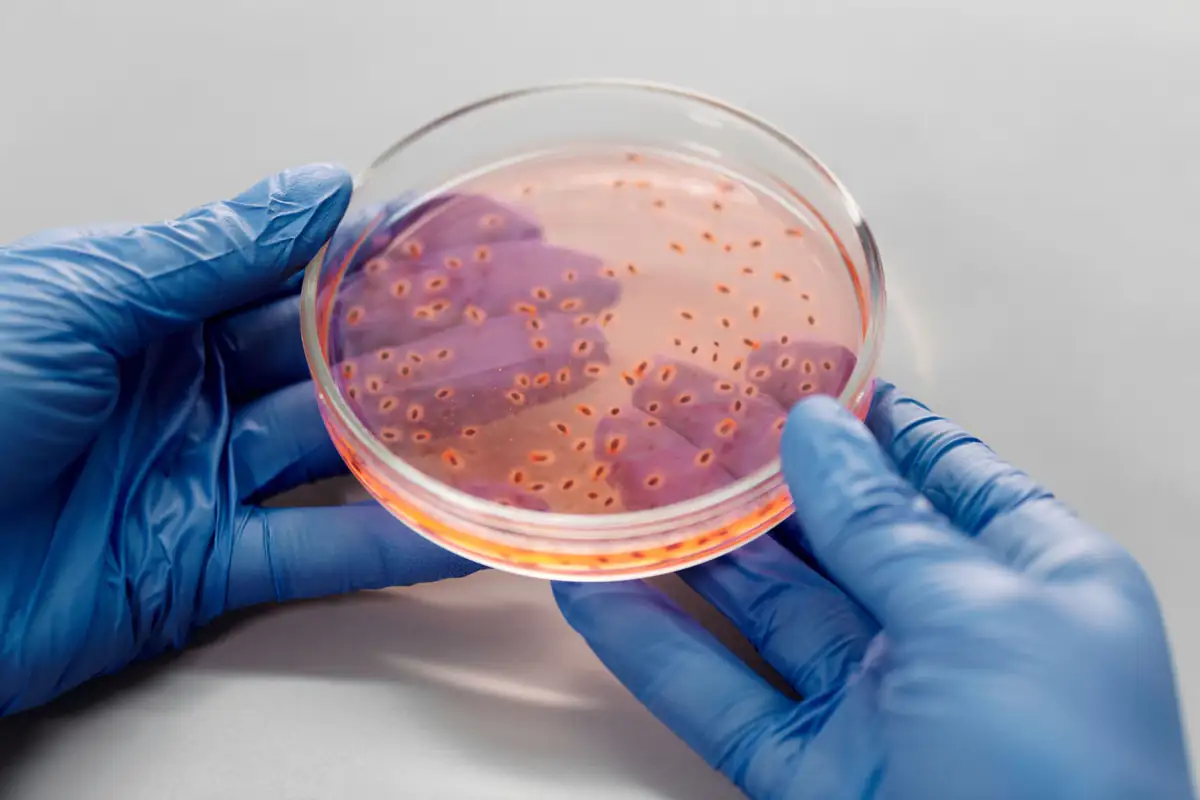
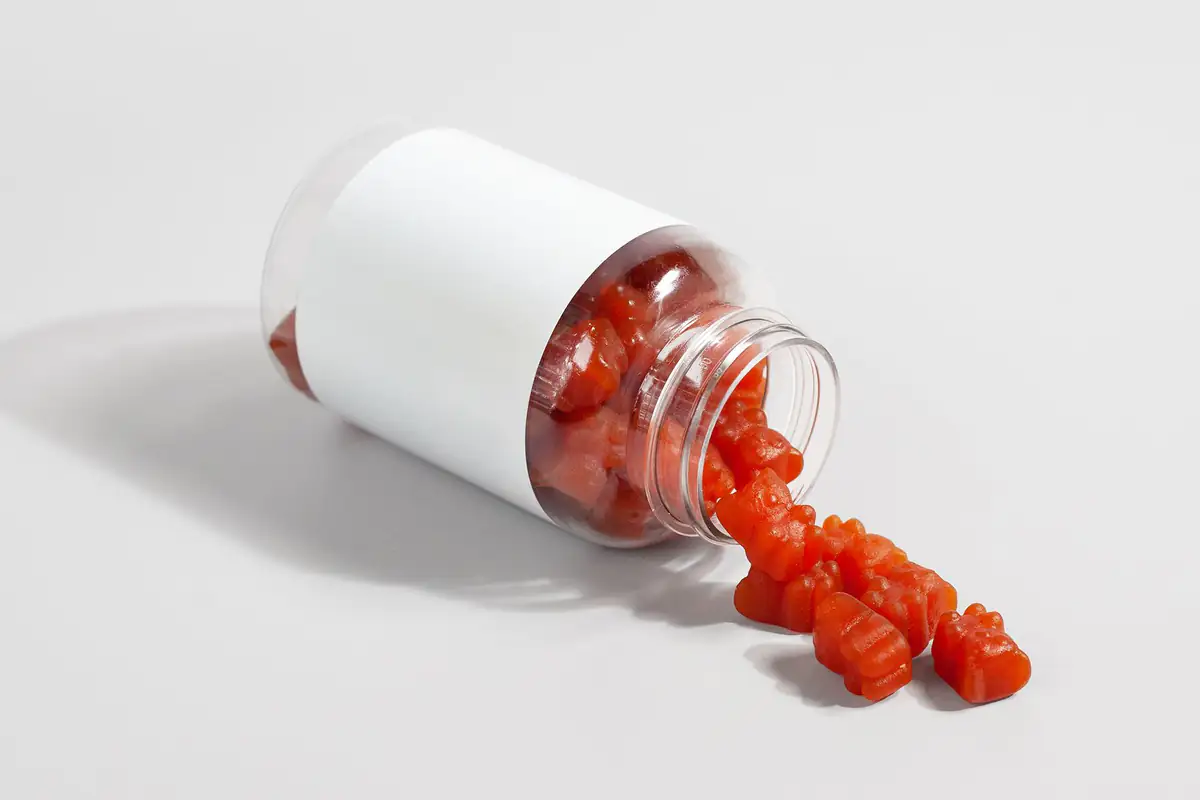
Probiotics are live microorganisms that, in adequate amounts, provide a health benefit (Hill et al., 2014). "Women's" probiotics usually focus on Lactobacillus species, the bacteria that normally dominate a healthy vaginal microbiome, sometimes combined with strains studied for gut health.
The key word is strain. Research findings apply to the exact strain studied, such as L. rhamnosus GR-1, at the dose and in the group of women studied. They can't be assumed for other strains, even of the same species.
The vaginal microbiome
In most women of reproductive age, lactobacilli produce lactic acid that keeps vaginal pH at around 3.8 to 4.5. When their numbers fall, other bacteria and yeasts can overgrow. That's why most women's-health research on live bacteria focuses here. Read more in What is the vaginal microbiome?
Bacterial vaginosis (BV)
BV is the most common cause of unusual vaginal discharge, and it often comes back after antibiotic treatment. In a placebo-controlled trial, women who used a vaginal L. crispatus CTV-05 product after finishing standard treatment had fewer recurrences by week 12 than those given a placebo (30% vs 45%) (Cohen et al., 2020). Oral GR-1 and RC-14 have also been studied alongside BV treatment.
Thrush (vaginal yeast infections)
Thrush is caused by an overgrowth of Candida yeast, often after antibiotics. A Cochrane review found that adding probiotics to antifungal treatment may improve short-term cure rates, but the evidence was low quality and didn't show fewer recurrences (Xie et al., 2017). Antifungal treatment remains the first step.
Urinary tract infections (UTIs)
Healthy vaginal lactobacilli may make it harder for gut bacteria such as E. coli to settle near the urethra. Trials have studied vaginal L. crispatus (Stapleton et al., 2011) and oral GR-1 with RC-14 (Beerepoot et al., 2012) in women with recurrent UTIs, with mixed results. See our urinary tract health guide.
Pregnancy and after birth
The vaginal microbiome tends to become more stable during pregnancy. Some strains, such as L. rhamnosus HN001, have been studied in pregnant women, including for outcomes like gestational diabetes (Wickens et al., 2017). Results are specific to those strains and populations. Speak to your midwife or GP before starting any supplement, and avoid products containing vitamin A (retinol). More in our pregnancy guide.
Perimenopause and menopause
As oestrogen falls, the vaginal lining holds less glycogen, lactobacilli decline and pH rises (Muhleisen & Herbst-Kralovetz, 2016). This contributes to dryness, discomfort and more frequent UTIs. Live bacteria are being studied in post-menopausal women, but they don't replace HRT or vaginal oestrogen, which are effective treatments to discuss with your GP. See the menopause guide.
Gut health and digestion
Women are diagnosed with IBS more often than men, and many notice bloating or bowel changes that follow their cycle. Specific strains, such as L. plantarum 299v, have been studied for IBS symptoms (Ducrotté et al., 2012). Probiotics have also been widely studied for reducing antibiotic-associated diarrhoea. Fibre, fluids and activity still come first. See the gut health guide.
Other areas of research
- Immune health: research is ongoing. In the UK, immune claims are only authorised for certain vitamins and minerals, such as vitamin D, not for live bacteria.
- Skin and mood: the gut-skin and gut-brain axes are active research areas, but the evidence is early.
- Iron: L. plantarum 299v has been studied for non-haem iron absorption, which is relevant to women with heavy periods.
Are there risks?
For most healthy women, live bacteria supplements are well tolerated. Mild wind or bloating in the first week or two is the most common effect. Speak to your doctor first if you're immunocompromised, seriously ill, recovering from surgery or have a central line.
See a pharmacist, GP or sexual health clinic if you have unusual discharge, odour, itching, pain when passing urine, fever or blood in your urine. These symptoms need a diagnosis, and a supplement isn't a substitute for treatment.
How to choose
Match the strain to your goal, check for a count guaranteed until expiry, and be wary of products that promise to cure anything. Our 7-point buying guide walks you through it, or browse formulas by need.
References
- Hill C, et al. The International Scientific Association for Probiotics and Prebiotics consensus statement on the scope and appropriate use of the term probiotic. Nat Rev Gastroenterol Hepatol. 2014;11:506–514.
- Cohen CR, et al. Randomized trial of Lactin-V to prevent recurrence of bacterial vaginosis. N Engl J Med. 2020;382:1906–1915.
- Xie HY, et al. Probiotics for vulvovaginal candidiasis in non-pregnant women. Cochrane Database Syst Rev. 2017;11:CD010496.
- Stapleton AE, et al. Randomized, placebo-controlled phase 2 trial of a Lactobacillus crispatus probiotic given intravaginally for prevention of recurrent urinary tract infection. Clin Infect Dis. 2011;52(10):1212–1217.
- Beerepoot MAJ, et al. Lactobacilli vs antibiotics to prevent urinary tract infections. Arch Intern Med. 2012;172(9):704–712.
- Wickens KL, et al. Early pregnancy probiotic supplementation with Lactobacillus rhamnosus HN001 may reduce the prevalence of gestational diabetes mellitus. Br J Nutr. 2017;117(6):804–813.
- Muhleisen AL, Herbst-Kralovetz MM. Menopause and the vaginal microbiome. Maturitas. 2016;91:42–50.
- Ducrotté P, et al. Clinical trial: Lactobacillus plantarum 299v (DSM 9843) improves symptoms of irritable bowel syndrome. World J Gastroenterol. 2012;18(30):4012–4018.
Quick questions
How long do probiotics take to work for women?
Most studies measure changes after around four weeks of daily use, and many run for two to three months. Give a formula at least that long before you judge it, unless your health professional advises otherwise.
Can men take women's probiotics?
Yes. They won't cause harm, but the strains in women's formulas are chosen for the female urogenital tract, so a general gut formula may suit men better.
Should every woman take a probiotic?
No. Many women have a healthy microbiome without supplements. A varied, fibre-rich diet matters most. Live bacteria are worth considering for specific situations, such as after antibiotics, recurrent BV or thrush, or around the menopause, ideally after speaking to a pharmacist or GP.
Written by the Women's Probiotics editorial team and checked against the sources listed. This article is general information, not medical advice.