
Key takeaways
- The best format is the one you'll take consistently.
- Capsules are convenient and often protected against stomach acid.
- Sachets suit people who don't like swallowing capsules. Mix them into cold food or drink.
- Gummies and drinks can be less stable and often contain sugar, so check the count at expiry.
Formats compared
| Format | Good for | Watch out for |
|---|---|---|
| Capsules | Convenience, travel, acid-resistant or delayed-release designs | Some people find them hard to swallow. Check if the shell is gelatine |
| Sachets / powders | People who don't like swallowing capsules. Easy to mix into yoghurt or a cold drink | Never mix into hot food or drinks. Less handy on the go |
| Gummies / chewables | Taste and ease | Often contain sugar. Heat and moisture in manufacturing can reduce live counts |
| Liquids / drinks | People who prefer a daily drink | Often need refrigerating, have a short shelf life and contain sugar |
| Vaginal products | Delivering lactobacilli directly where they're studied for intimate health | Use as directed. Get advice first if you're pregnant or have symptoms |
Capsules
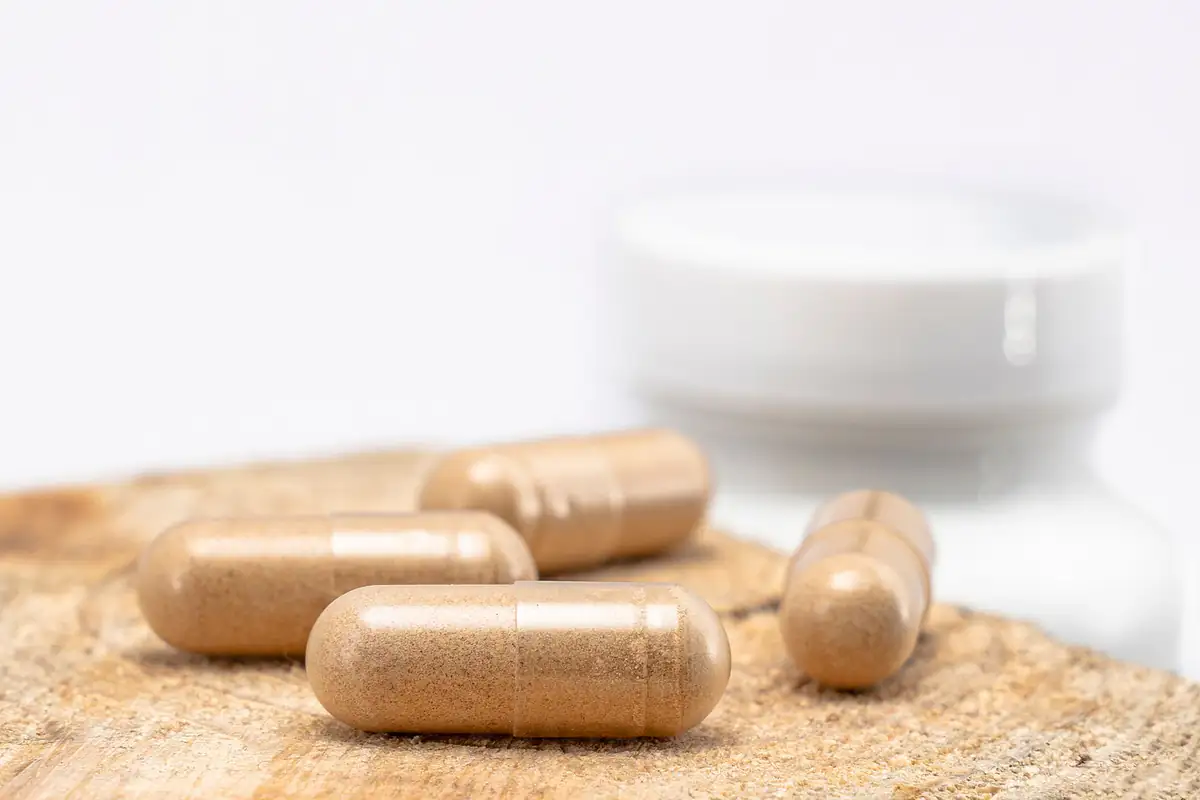
Capsules are the most common format for women's probiotics. Acid-resistant or delayed-release capsules are designed to protect bacteria from stomach acid. Blister packs keep each capsule dry. Vegetarians should look for HPMC (cellulose) shells rather than gelatine.
Sachets and powders
Sachets suit anyone who struggles with capsules, and they're often used in pregnancy and postnatally. Stir them into cool water, milk or yoghurt. Heat kills live bacteria, so never add them to tea, coffee or hot food.
Gummies and chewables
Gummies are pleasant to take, but making them involves heat and moisture, which live bacteria don't like. Some products use spore-forming strains that cope better. Check the strain codes, the count at expiry and the sugar content.
Liquids and drinks
Fermented drinks and liquid supplements are easy to take but usually need refrigerating and have a short shelf life. Strain information is often less detailed than on capsule or sachet products.
How to decide
- Will you take it every day? Consistency matters more than format.
- Do you travel a lot? Choose a shelf-stable capsule or sachet in moisture-proof packaging.
- Watching sugar? Avoid gummies and sweetened drinks.
- Vegetarian or vegan? Check the capsule shell and the growth media.
- Pregnant or breastfeeding? Choose a simple, retinol-free product and check with your midwife.
Ready to compare? Filter products by format, or read how to choose a women's probiotic.
Quick questions
Can I open a capsule and mix it into food?
Some brands say this is fine, but it removes any acid-resistant protection. Follow the label, and mix the contents into something cool, never hot.
Do I need a vaginal product rather than an oral one?
Not necessarily. Some strains have been studied by mouth and others vaginally. Vaginal products should be used as directed, and you should get advice first if you're pregnant or have symptoms.
Written by the Women's Probiotics editorial team and checked against the sources listed. This article is general information, not medical advice.