
Pregnancy & postnatal
Pregnancy & Postnatal Flora
L. rhamnosus HN001 + B. lactis BB-12, with vitamin D (no vitamin A)
Gut health & digestion
Your gut doesn't work in isolation. Hormones change how it moves, and gut bacteria help decide how much oestrogen stays in circulation. This guide explains how that connection works for women.
Not sure which product or guide fits? Ask us. We reply within one working day.
The connection
Trillions of bacteria live in the large intestine. They ferment fibre into short-chain fatty acids that feed the cells lining the gut, and they interact with the immune system and nervous system.
For women, there are two extra links. First, hormones affect the gut: progesterone slows transit, and the drop in hormones before a period can speed it up again. Second, the gut affects hormones: some gut bacteria influence how oestrogen is recycled, the so-called estrobolome.
There's also a physical link. The rectum is close to the vagina, and lactobacilli from the gut can colonise the vaginal area. That's why oral strains are studied for intimate health.
The UK recommends 30g of fibre a day for adults, yet most of us eat far less. Variety matters: different plants feed different bacteria.
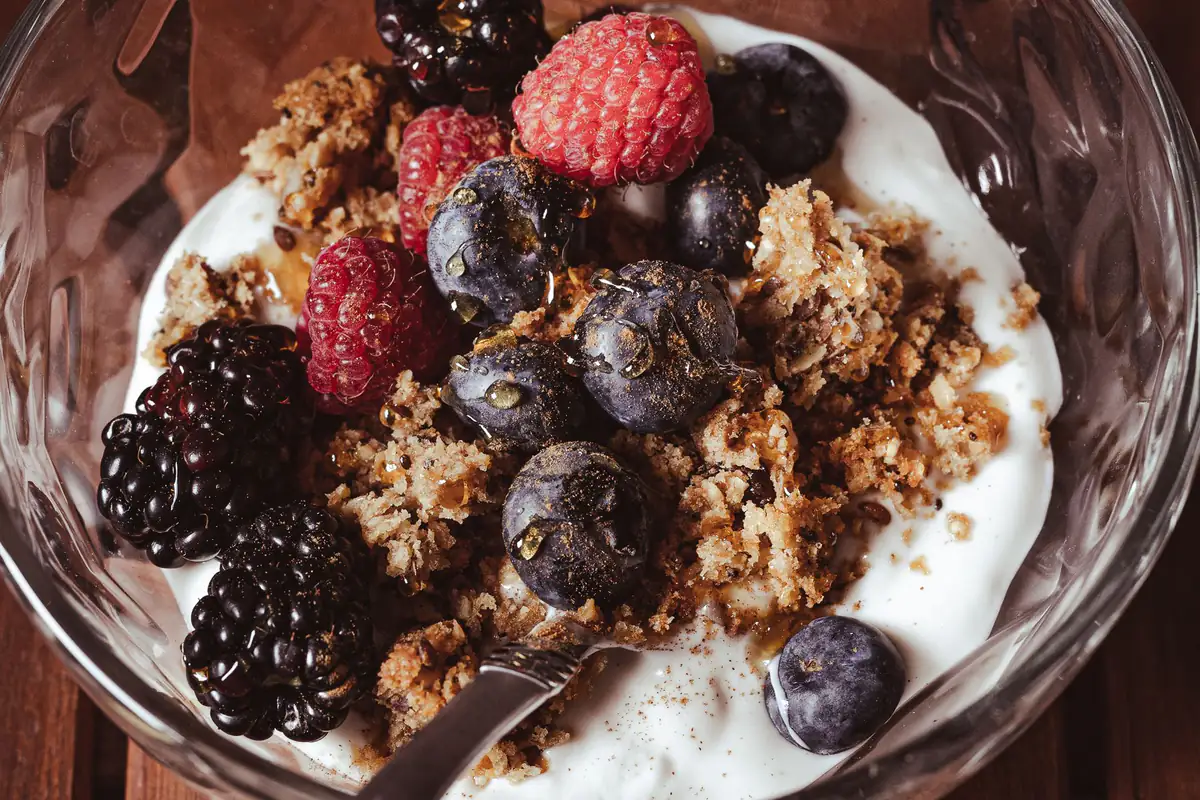
Fibre target from the SACN Carbohydrates and Health report (2015).
Strains & research
Examples only. Results are strain-specific and not a treatment claim.
Studied in IBS trials, and in research on non-haem iron absorption, which matters to women with heavy periods.
Bifidobacteria studied for bowel regularity and transit time in adults.
One of the most widely researched lactobacilli, often paired with bifidobacteria.
Products
L. rhamnosus HN001 + B. lactis BB-12, with vitamin D (no vitamin A)
L. rhamnosus HN001 + B. lactis HN019 in a stir-in powder
GR-1 + RC-14 + B. lactis BB-12, with vitamin D
L. plantarum 299v + B. lactis HN019
Questions
Progesterone and oestrogen shifts in the second half of the cycle affect gut motility and water retention. Many women notice bloating, constipation or looser stools around their period. Tracking symptoms against your cycle can help you and your GP see a pattern.
Yes. Irritable bowel syndrome is diagnosed more often in women than in men, and symptoms often change across the menstrual cycle. Some specific strains have been studied for IBS symptoms, but get a GP diagnosis first to rule out other conditions, including coeliac disease.
They're different. Yoghurt, kefir, sauerkraut and kimchi contain live microbes and can be a valuable part of your diet, but strain types and amounts vary and aren't usually listed. A supplement gives you named strains in a known amount.
See your GP if you have blood in your stool, unexplained weight loss, persistent bloating (especially if you're over 50), a change in bowel habit lasting more than three weeks, or symptoms that wake you at night.
This guide is general information, not medical advice. Live bacteria supplements are food supplements: they are not a treatment for infection and should not replace a diagnosis. Speak to your GP, pharmacist or midwife if you have symptoms, are pregnant or take regular medication.
Keep reading
How lactobacilli keep the vaginal environment acidic, and what knocks that balance off course.
Read the guideWhy women are more prone to cystitis, and the strains researchers have studied alongside standard care.
Read the guideWhat changes in the microbiome when you're expecting, and how to check a supplement is suitable.
Read the guideCompare formulas by strain, format and life stage, or ask us if you're unsure which fits your situation.